What is Shared Hosting and How Does It Work?
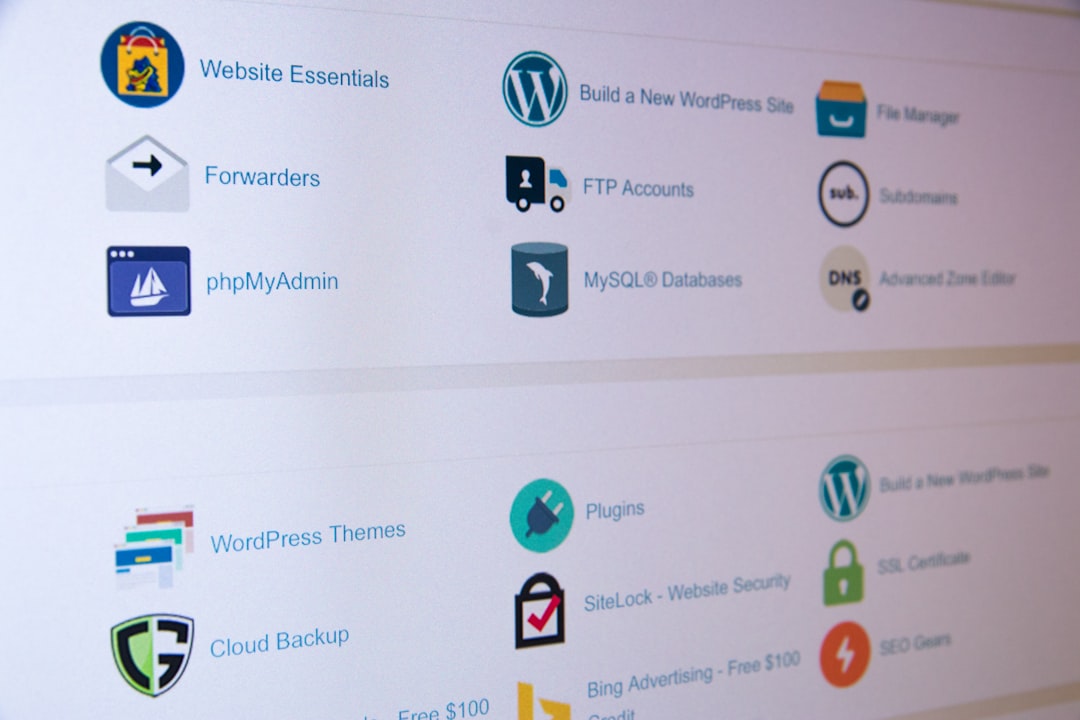
Shared hosting is the most economical hosting solution where multiple websites reside on a single server, sharing its resources including CPU, RAM, and storage. When you choose shared hosting, your website files are stored alongside hundreds of other websites on the same physical server. The hosting provider manages all server maintenance, security updates, and technical configurations, making it ideal for beginners.
This hosting type works through resource allocation where the server's processing power and memory are distributed among all hosted websites. While this sharing makes it affordable, it also means that if one website experiences high traffic, it can potentially affect the performance of other sites on the server. Shared hosting is perfect for personal blogs, small business websites, and startups with moderate traffic levels.
VPS Hosting Explained: Benefits and Use Cases
Virtual Private Server (VPS) hosting provides a middle ground between shared and dedicated hosting. Using virtualization technology, a physical server is divided into multiple virtual servers, each operating independently with its own operating system, dedicated resources, and root access. Unlike shared hosting, your allocated resources are guaranteed and not affected by other users.
VPS hosting offers greater control and customization options. You can install custom software, configure server settings, and scale resources as needed. This makes VPS ideal for growing businesses, developers who need specific server configurations, e-commerce sites with moderate to high traffic, and applications requiring enhanced security and performance.
Dedicated Servers: When Do You Need One?
A dedicated server provides an entire physical server exclusively for your website or application. You have complete control over all server resources, including CPU, RAM, storage, and bandwidth. This hosting type offers maximum performance, security, and customization capabilities, as you're not sharing resources with anyone else.
Dedicated servers are essential for high-traffic websites, large e-commerce platforms, resource-intensive applications, and businesses with strict security or compliance requirements. While more expensive, they provide unmatched reliability, performance, and the ability to handle thousands of concurrent visitors without performance degradation.
Cloud Hosting: Scalability and Flexibility
Cloud hosting distributes your website across multiple interconnected servers, creating a network of resources that work together. Unlike traditional hosting where your site relies on a single server, cloud hosting draws resources from a cluster of servers, ensuring high availability and redundancy. If one server fails, another automatically takes over.
The primary advantage is scalability - you can instantly increase or decrease resources based on traffic demands. Cloud hosting uses a pay-as-you-go model, meaning you only pay for the resources you actually use. This makes it perfect for businesses with fluctuating traffic, rapidly growing websites, and applications requiring high availability and disaster recovery capabilities.